The 12th European PRRS Research Awards
Discover the winners

COMBAT - Updated biosecurity tool with 4 features
Read now
The Guilty Gilt Guide
Read now
PRRS Ctrl 2.0
Download for free The 12th European PRRS Research Awards
 COMBAT - Updated biosecurity tool with 4 features
 The Guilty Gilt Guide
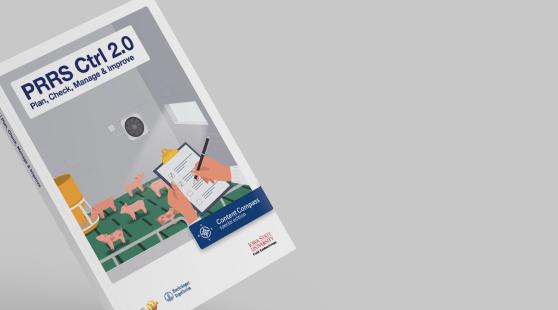 PRRS Ctrl 2.0
April 2026
02
03
04
05
06
07
08
09
10
11
12
13
14
15
16
17
18
19
20
21
22
23
24
25
26
27
28
29
30
May 2026
01
02
03
04
05
06
07
08
09
10
11
12
13
14
15
16
17
18
19
20
21
22
23
24
25
26
27
28
29
30
31
June 2026
01
02

Finding PRRSV in sow herds: Family oral fluids vs. serum samples from due-to-wean pigs
- Expertise article
- Almeida et al, 2021
The aim of this study was to compare the detection of porcine reproductive and respiratory syndrome virus (PRRSV) in due-to-wean litters in commercial swine breeding herds using family oral fluids (FOF) vs. individual piglet serum samples.
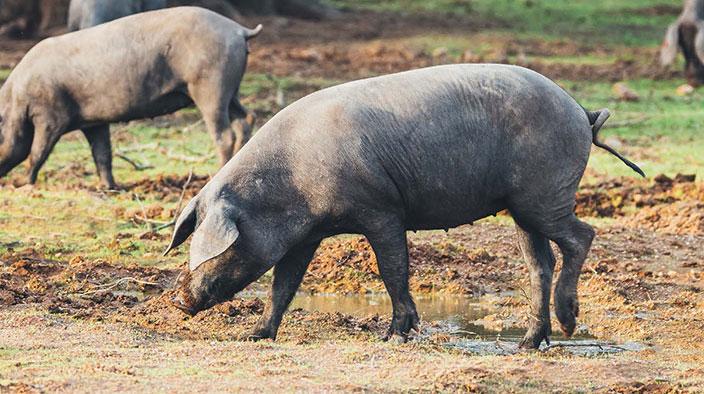
Reproductive performance monitored with statistical process control over 2 years in a farm, which faced an acute PRRS outbreak and implemented PRRS vaccination
- 10 minutes
- Expertise article
- Dražen Hižman, Rebecca Morgenstern, Vladan Miljković
Infection with porcine reproductive and respiratory syndrome virus (PRRSV) may lead to significant losses in productivity of breeding and growing pig herds. Performance data was monitored over two years in a commercial farm in Croatia, which faced an acute PRRS outbreak and subsequently implemented vaccination against PRRSV. The present abstract presents the results of sow performance. Nursery mortality is presented in a second abstract.
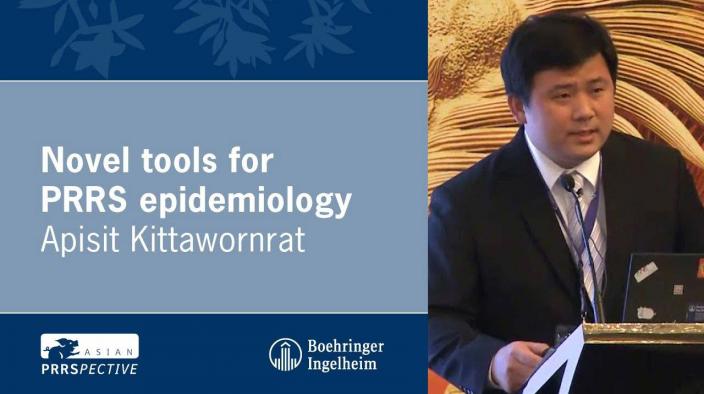
Apisit Kittawornrat - Novel tools for PRRS epidemiology
- 44 minutes
- Asian PRRSpective | Epidemiology | Expertise video
- Apisit Kittawornrat
Dr Kitawornrat describes the use of Oral Fluid testing for monitoring PRRS in populations.

Immune Evasion
- 3 minutes
- Bite size
- Quim Segalés
Meet the Expert Bite Sizes with Quim Segalés.
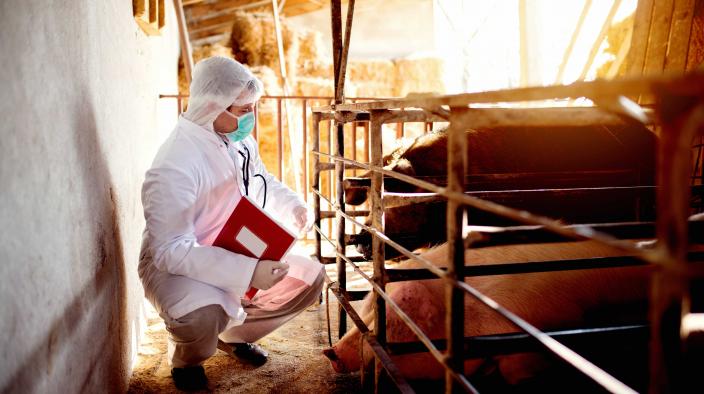
Comparison of Two Commercial Type 1 Porcine Reproductive and Respiratory Syndrome Virus (PRRSV) Modified Live Vaccines against Heterologous Type 1 and Type 2 PRRSV Challenge in Growing Pigs
- 2 minutes
- Expertise article
The objective of the present study was to compare the efficacy of two commercial type 1 porcine reproductive and respiratory syndrome virus (PRRSV) modified live vaccines against heterologous type 1 and type 2 PRRSV challenge in growing pigs. Vaccination with a type 1 PRRSV vaccine reduced the level of viremia after type 1 PRRSV challenge but did not reduce the level of viremia after the type 2 PRRSV challenge in pigs. Increased levels of interleukin-10 (IL-10) stimulated by type 2 PRRSV coincided with the low numbers of type 2 PRRSV-specific interferon gamma-secreting cells (IFN-γ-SC) in vaccinated pigs after type 2 PRRSV challenge, whereas low levels of IL-10 stimulated by type 1 PRRSV coincided with high numbers of type 1 PRRSV-specific IFN-γ-SC in vaccinated pigs after type 1 PRRSV challenge. Additionally, vaccination with the type 1 PRRSV vaccine effectively reduced the lung lesions and type 1 PRRSV nucleic acids in type 1 PRRSV-challenged pigs but did not reduce lung lesions and type 2 PRRSV nucleic acids in type 2 PRRSV-challenged pigs. There were no significant differences between two commercial type 1 PRRSV vaccines against type 1 and type 2 PRRSV challenge based on virological results, immunological responses, and pathological outcomes. This study demonstrates that vaccinating pigs with the type 1 PRRSV vaccine provides partial protection against respiratory disease with heterologous type 1 PRRSV challenge but no protection with heterologous type 2 PRRSV challenge.

Episode 3 - APP: Profile of a rapid killer
- 17 minutes
- Podcast in Episodes
- Prof. Greg Stevenson
“It’s like an invading army in the lung, pigs can die from it within a day of infection”
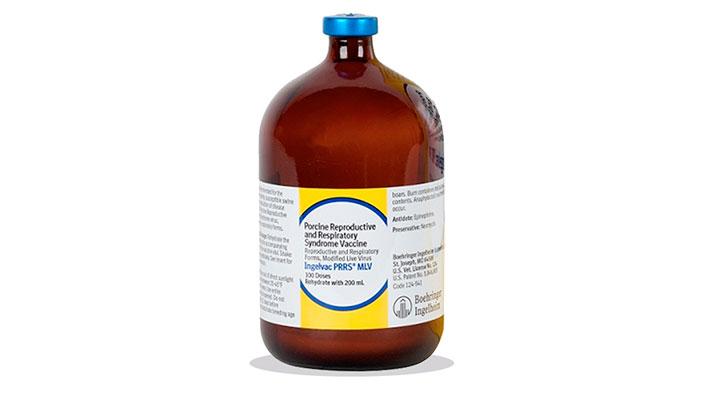
Ingelvac PRRS MLV
Piglet vaccination that optimises performance from nursery until slaughter For active immunization of clinically healthy pigs in PRRSV-positive herds. To reduce clinical symptoms of the respiratory and reproductive forms of PRRS virus infections One 2 ml dose ...
Potential Novel N-Glycosylation Patterns Associated with the Emergence of New Genetic Variants of PRRSV-2 in the U.S
- April 2023 | Expertise article
- Igor A. D et al.
Glycosylation of proteins is a post-translational process where oligosaccharides are attached to proteins, potentially altering their folding, epitope availability, and immune recognition.